Sustainability Beyond Solar: 5 Practical Moves for African Hotels
Practical sustainability ideas for African hotels, covering energy, water, staff welfare, digital tipping and conservation support.
Thenks Team
Thenks Team
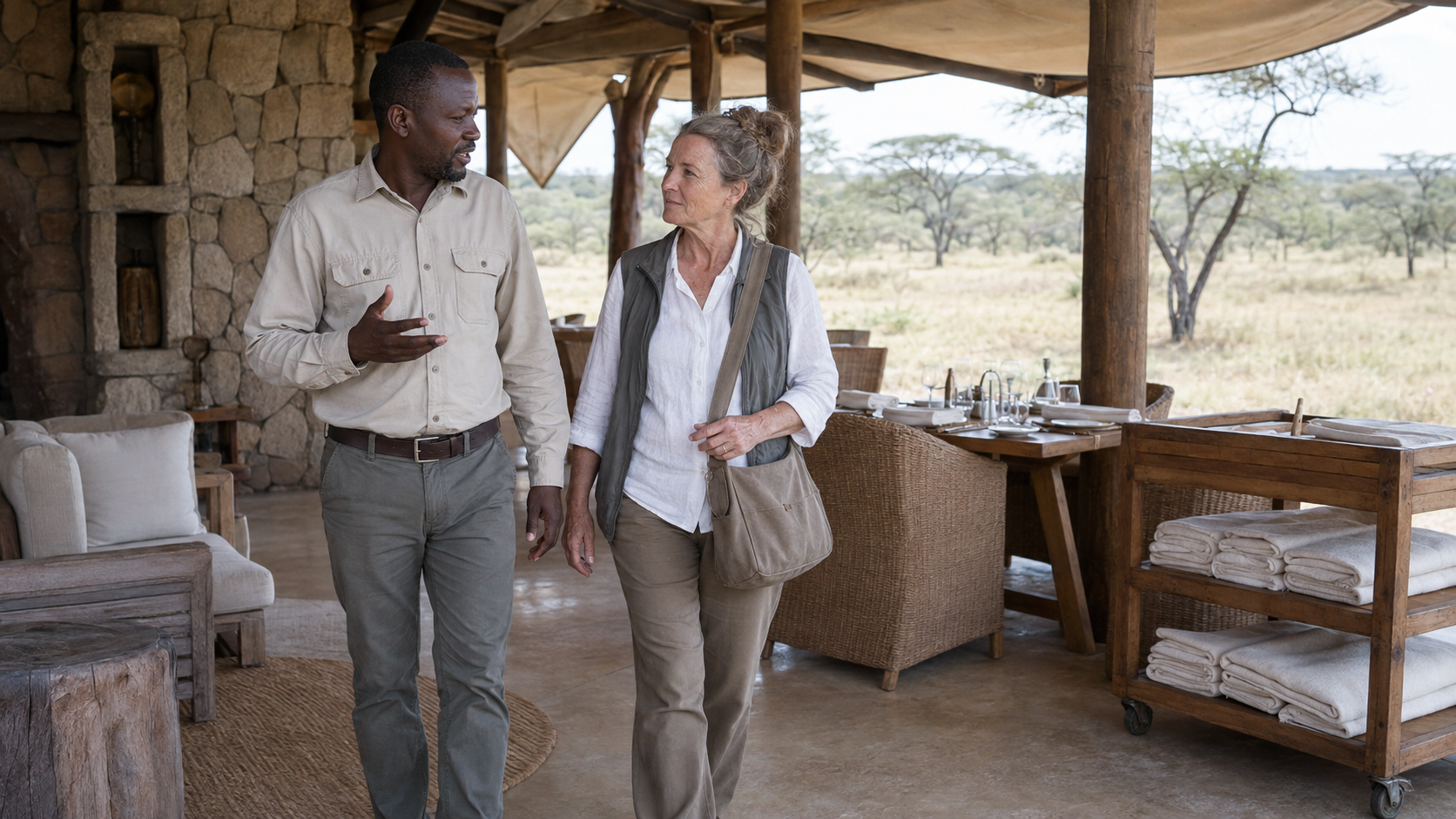
For hotels, lodges and safari camps across Africa, sustainability is no longer limited to installing solar panels or removing plastic straws. It means using resources responsibly, supporting the people who deliver the guest experience and ensuring tourism creates value beyond the property.
The most effective improvements often begin with simple, consistent changes rather than major investments.
1 | Measure before investing
Hotels cannot manage what they do not measure. Start by tracking electricity consumption, generator hours, water use, laundry volumes and waste against occupied rooms. This helps management identify whether the biggest opportunity lies in lighting, cooling, kitchens, water heating or another part of the operation.
A 2024 situational analysis by Kenya’s Tourism Research Institute found that environmental reporting among tourism enterprises remains limited, held back by gaps in knowledge, tools and perceived cost. Better measurement allows properties to reduce costs, set realistic targets and report progress more credibly.
2 | Address everyday waste
Some of the most valuable improvements are also the least visible. LED lighting, occupancy sensors, low-flow fittings, repaired leaks and better control of water heating can reduce unnecessary consumption without affecting guest comfort.
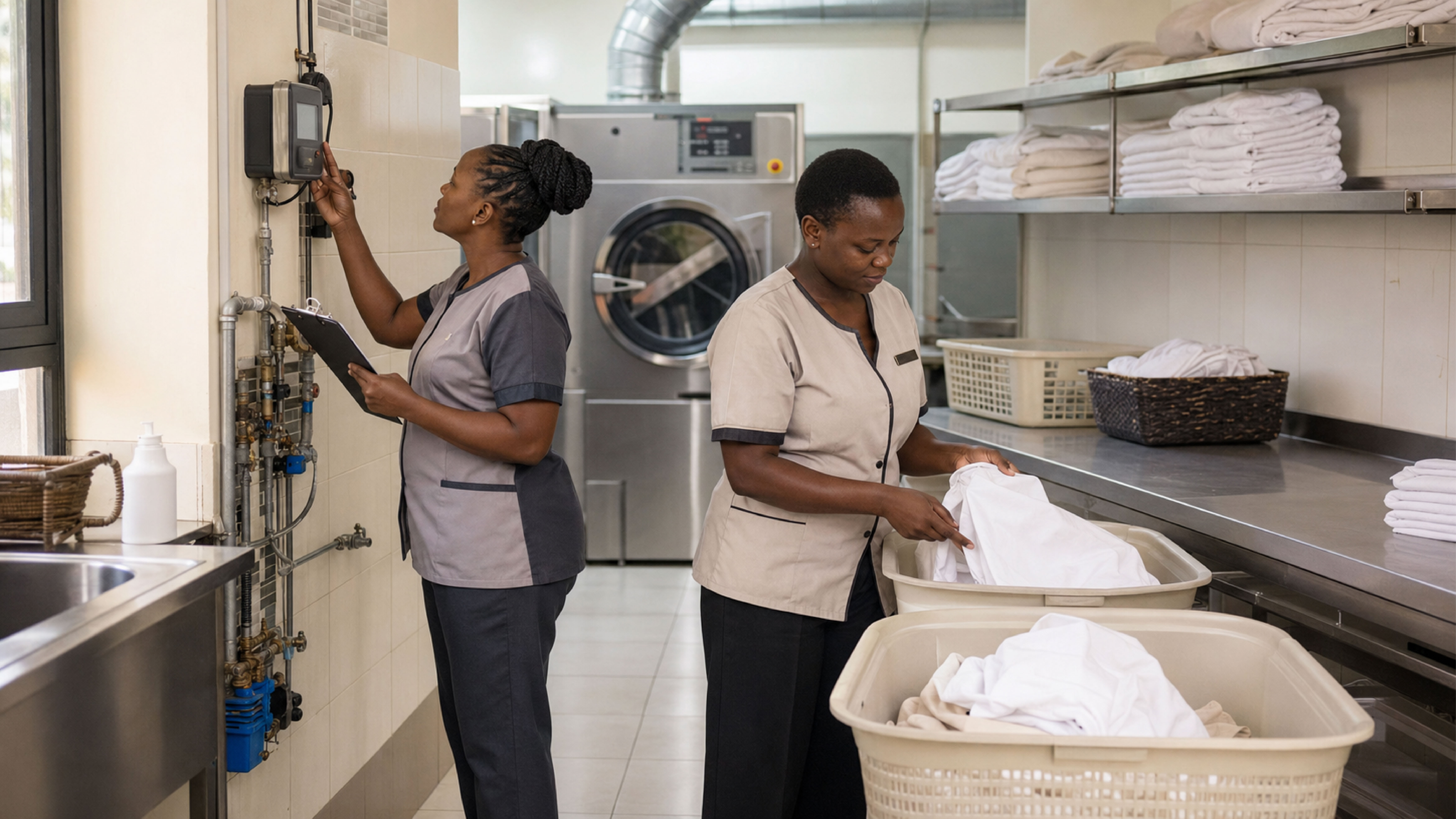
Laundry also deserves attention because it combines water, energy, detergent and labour costs. Linen-reuse programmes work best when guests have a clear choice and housekeeping teams apply the policy consistently.
3 | Choose technology that fits the property
Solar power, battery storage and energy-efficient equipment can provide long-term value, particularly for remote lodges and camps. The right solution, though, depends on the property’s size, climate, occupancy patterns, infrastructure and maintenance capacity.
Hotels should use real consumption data before investing. Sometimes improving a hot-water system or replacing inefficient equipment delivers greater value than a more visible sustainability feature.
4 | Include staff welfare
Sustainability is also about the people who make hospitality possible. The Global Sustainable Tourism Council recognises community benefit, inclusive employment and fair workplace practices as important parts of responsible hotel management.
Thenks supports this social and operational side of sustainability by allowing guests to tip through a QR code using cards, Apple Pay, Google Pay or M-PESA in more than 135 currencies. Tips remain separate from property revenue, while staff committees can manage distributions with administrative oversight.
Digital tipping isn’t an environmental measure by itself, but cutting cash-handling problems and adding visibility around staff tips does support a fairer, more accountable operation.
5 | Make local impact easier to understand
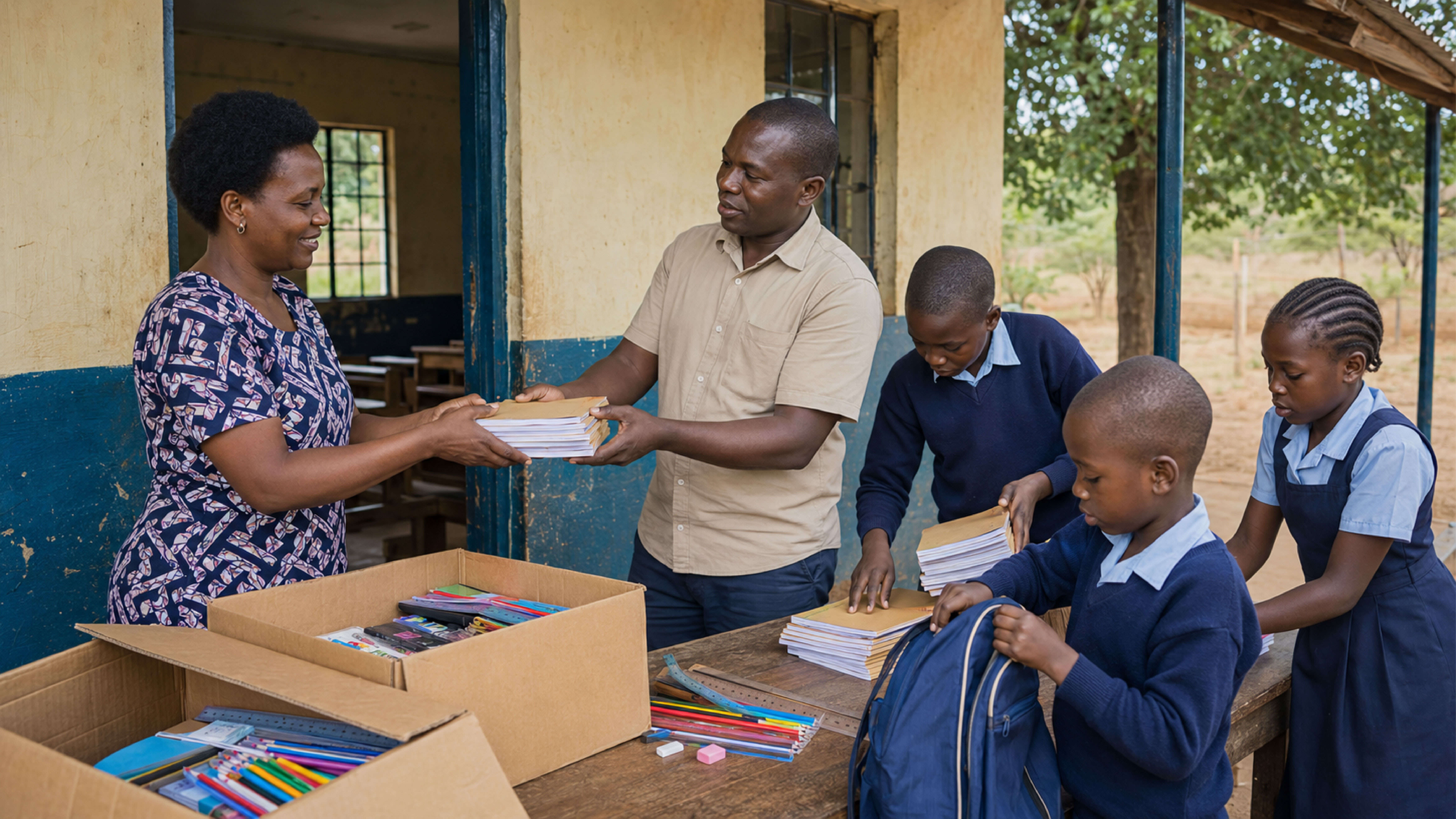
Many guests want their stay to benefit local communities and conservation, but general appeals can feel distant. Hotels can make participation more meaningful by presenting specific, credible programmes and showing what a contribution can support.
Thenks Impact enables lodges, conservancies and community organisations to present defined programmes and fundable units, accept digital donations and track funds by programme. This gives guests greater clarity while helping organisations manage and report contributions more transparently.
For African hospitality, sustainability works best when resource efficiency, staff wellbeing and local impact form part of the same operating model. Hotels do not need to change everything at once. They need to identify their most important issues, measure progress and improve one practical system at a time.
Ready to make guest appreciation easier and more transparent for your team? Book a 30-minute demo.