A Tip Is More Than Money: What Hotels Can Learn in 2026
Why digital tipping matters for African hotels — guest experience, fair staff recognition, and what properties learn from TipJAR data in Kenya and beyond.
Thenks Team
Thenks Team
Good hotel technology in 2026 works quietly, removing friction guests barely notice until it’s gone. Tipping is one of the moments where that friction still shows up. That’s where digital tipping for hotels comes in.
A Stripe survey of nearly 400 hospitality executives found that 37% believed a lack of payment options was the biggest drag on guest experience. Many of those same hotels already accept digital payments for rooms, meals and activities, yet still leave guests hunting for cash the moment they want to tip for good service.
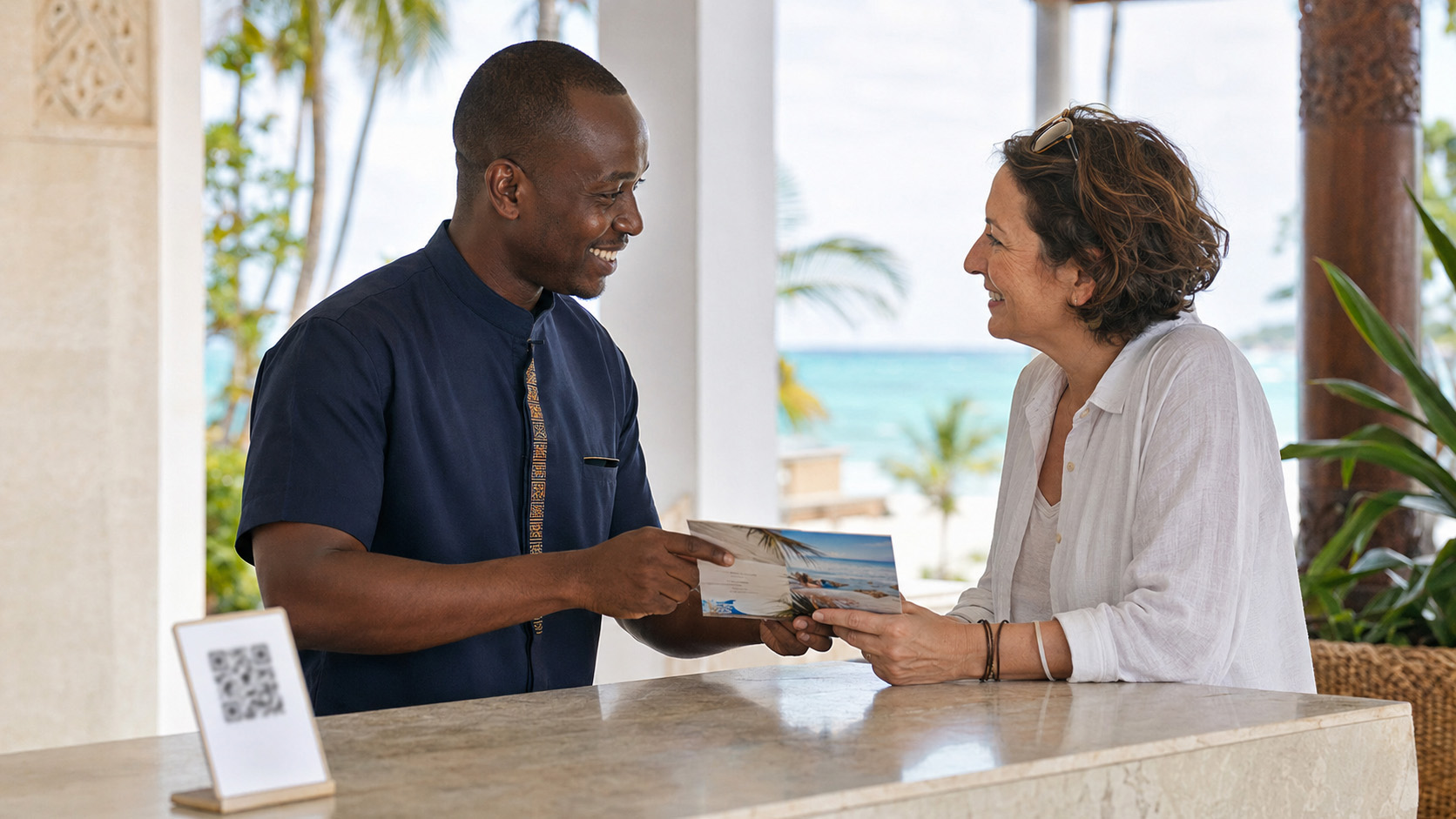
With Thenks, guests scan a QR code and tip using a card, Apple Pay, Google Pay or M-PESA in more than 135 currencies, without downloading an app. That matters for digital tipping in Africa specifically: in markets like Kenya, M-PESA is often just as familiar to guests as a card, if not more so. For hotels, the benefit goes beyond making payment easier.
What can digital tips tell a hotel?
Every tip is a small signal that a guest valued a particular interaction enough to act on it. Viewed over time, digital tipping records can help hotel teams notice which departments, shifts or service moments get the most recognition.
That doesn’t mean a hotel should treat tip value as a guest-satisfaction score. Tipping behaviour varies by culture, budget and personal preference. Read alongside reviews, guest feedback and staff observations, it adds another useful perspective on the experience a property is actually delivering.
How does digital tipping benefit hotel teams?
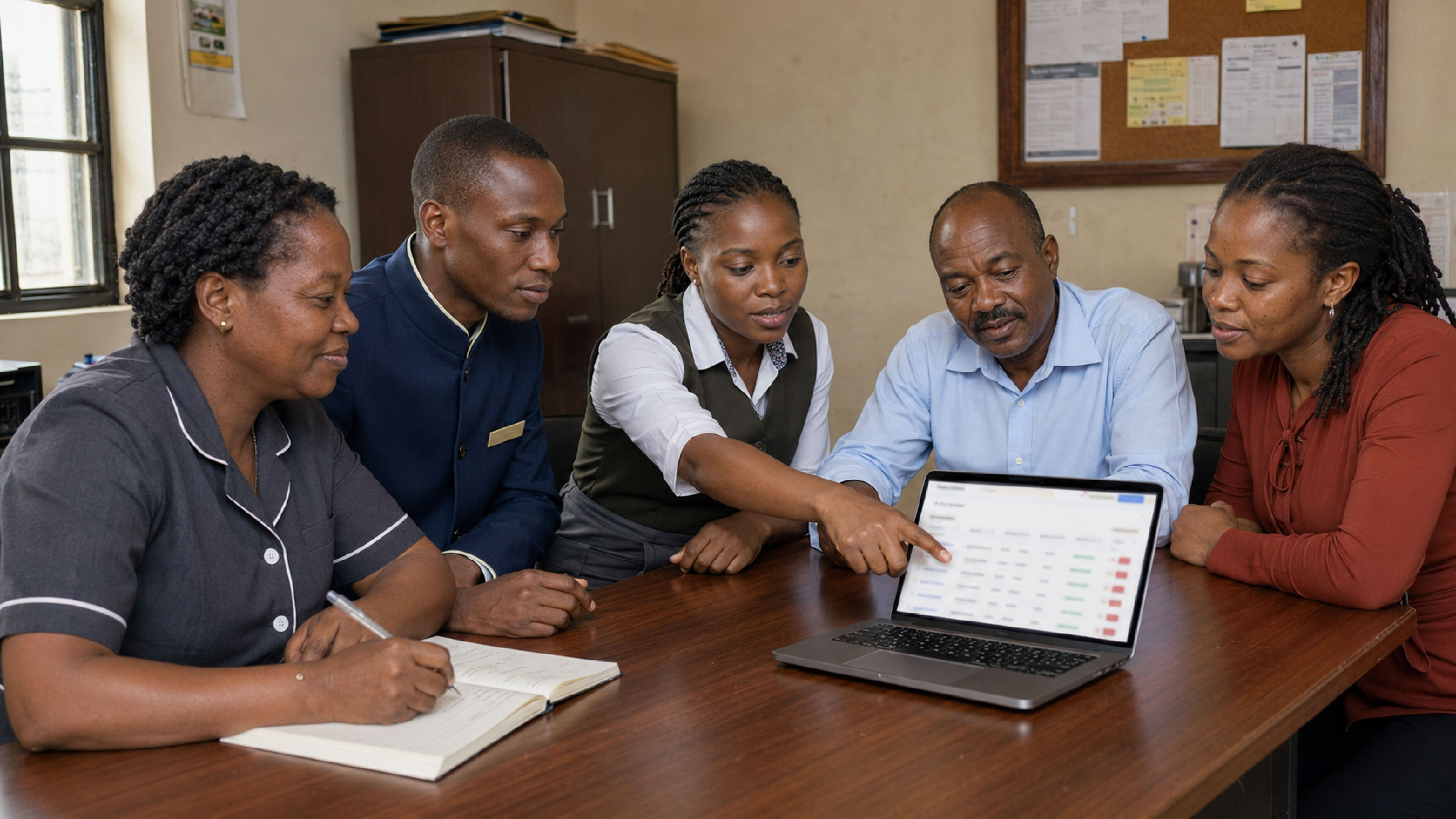
A transparent system extends hotel staff recognition beyond the employee standing in front of the guest at checkout. Thenks places every tip in a dedicated TipJAR, keeps it separate from hotel revenue, and distributes it through a staff-led process with administrative oversight.
Staff get clearer visibility into what has come in and how it is being shared. It also cuts the manual counting, handling and reconciliation that comes with cash tips.
For hotel leaders, digitising gratuities is the easy part. The bigger opportunity is making appreciation easier to give, clearer to manage, and a genuinely useful signal of what guests value.
The best hotel technology does not replace human hospitality. It helps properties recognise where that hospitality is already working.
Ready to make guest appreciation easier with Thenks?